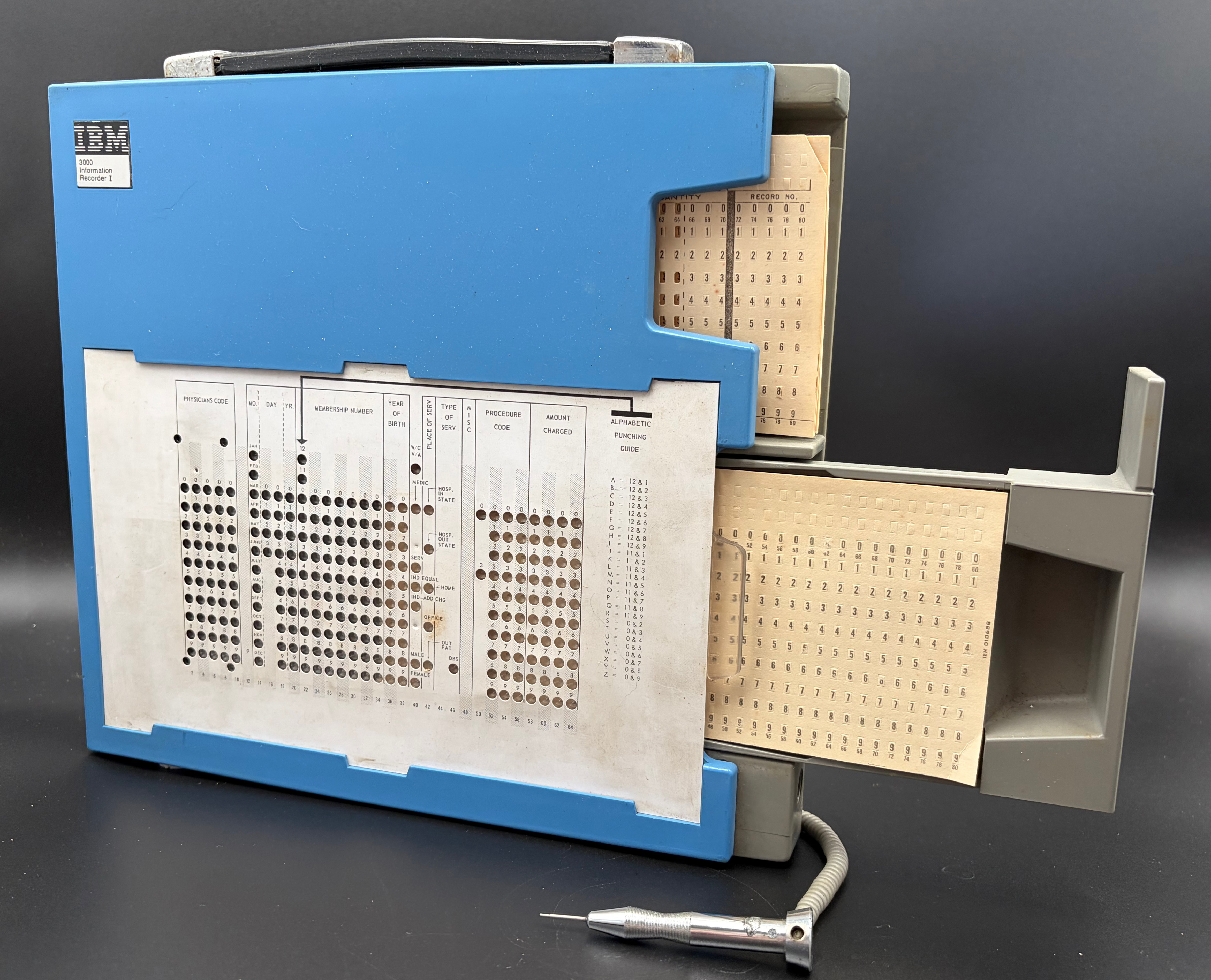
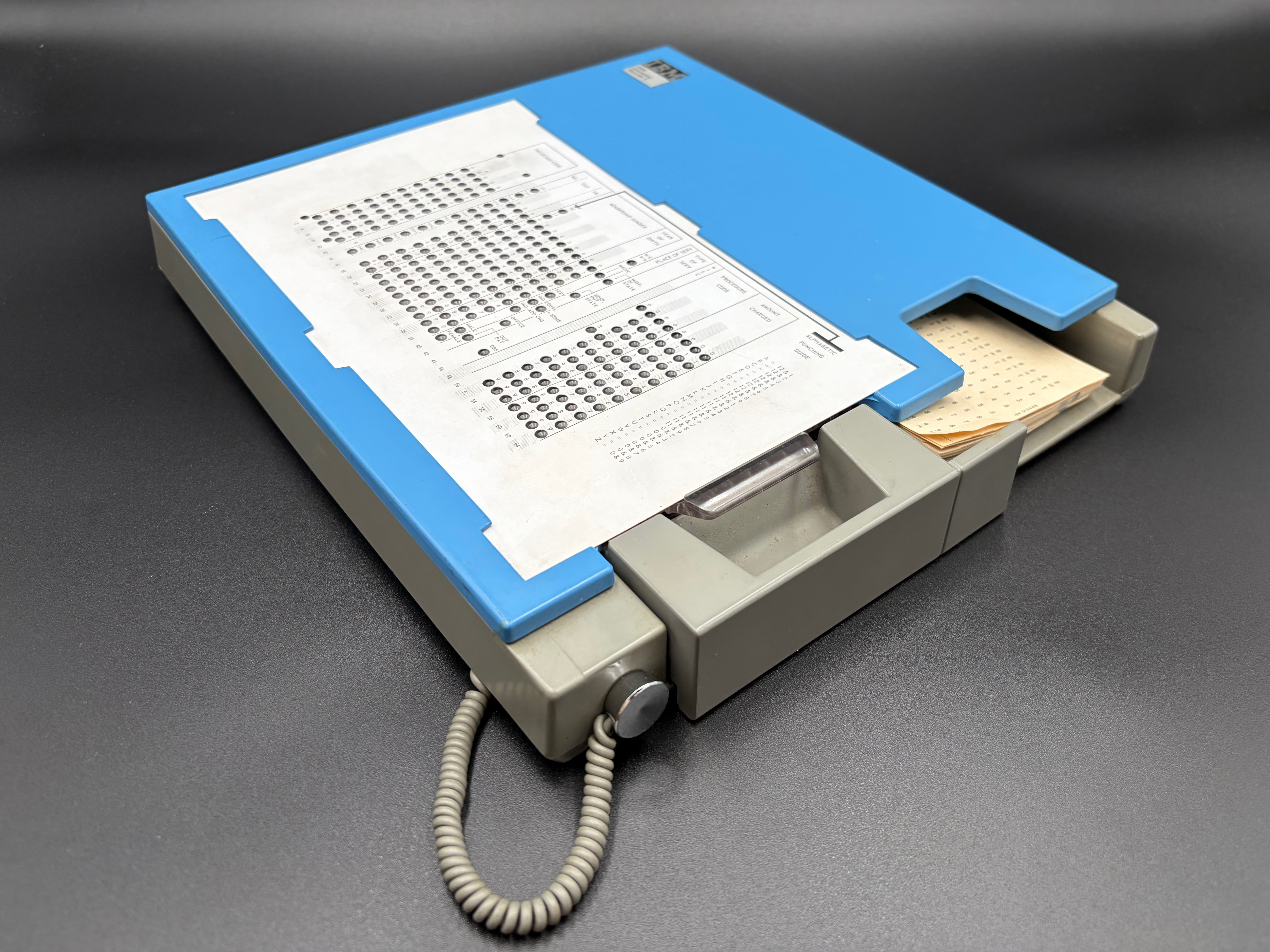
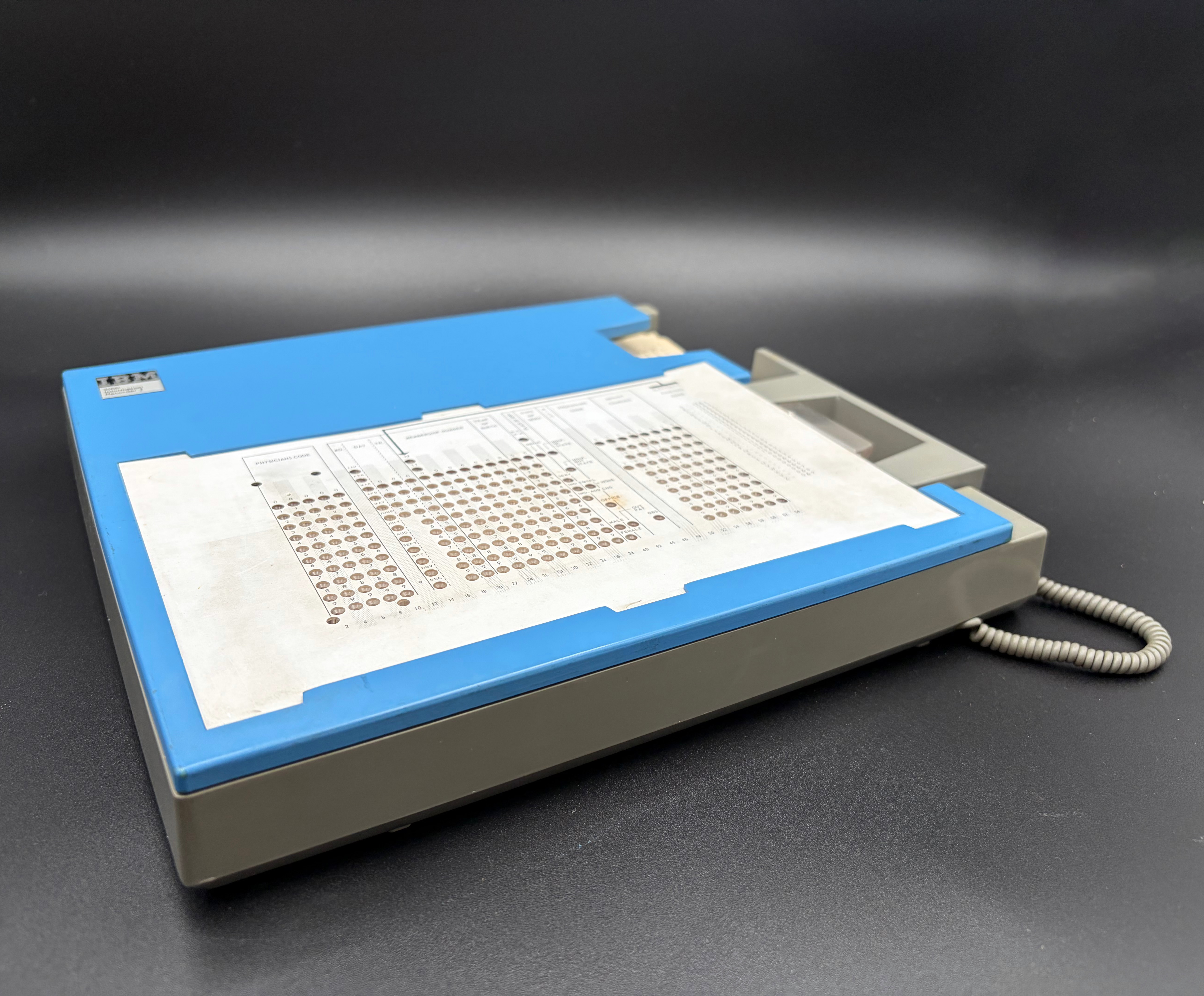
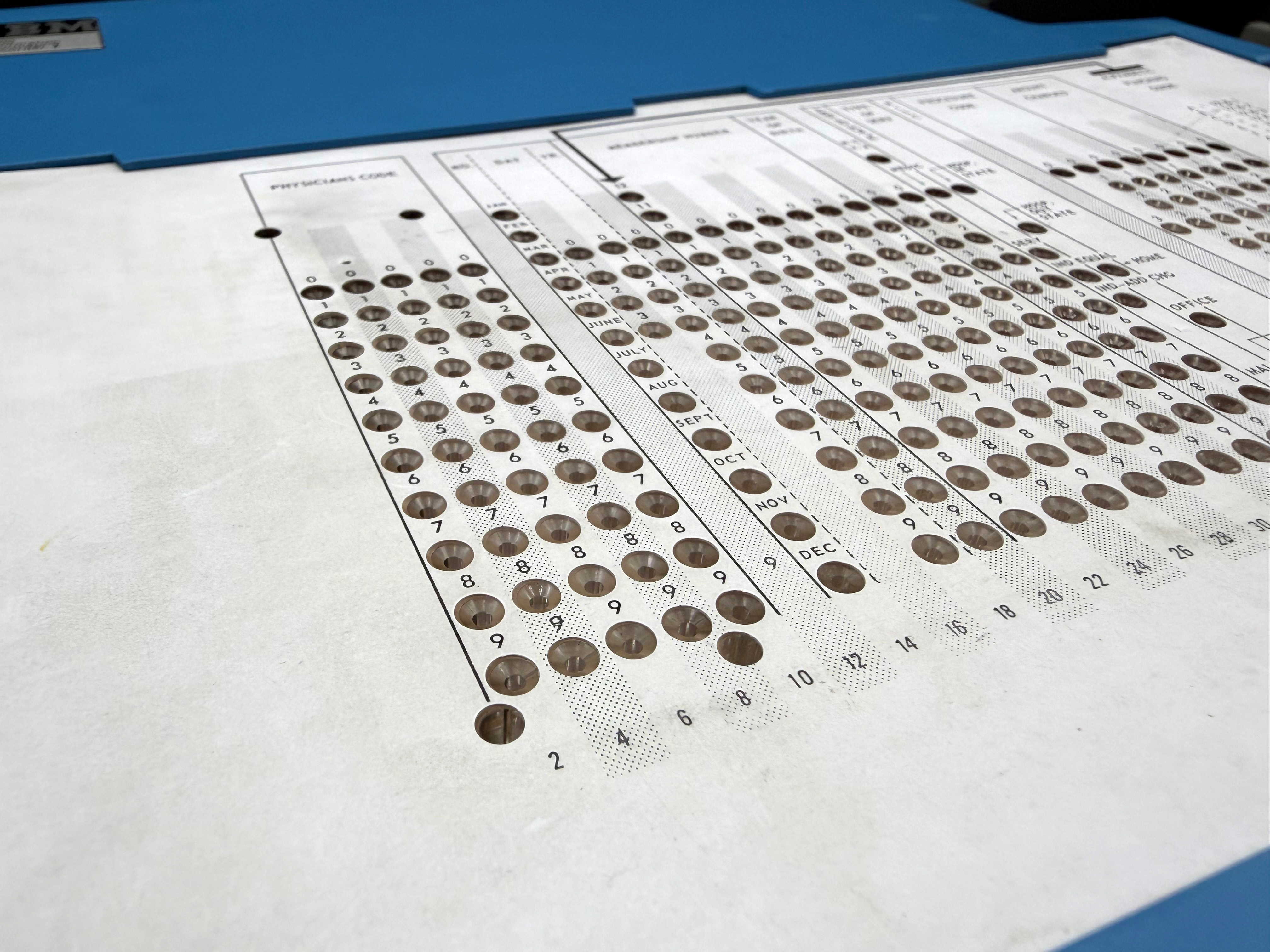
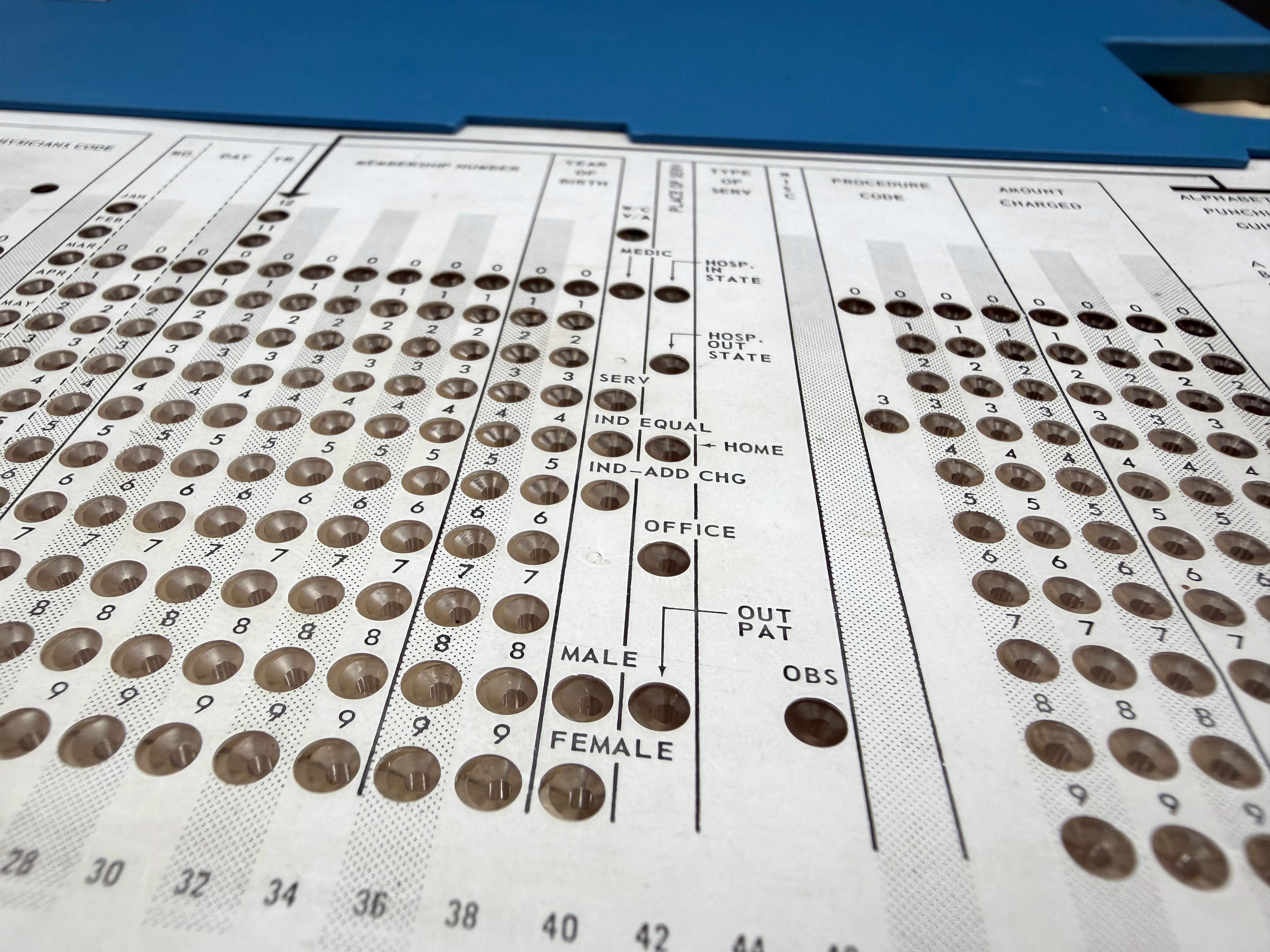
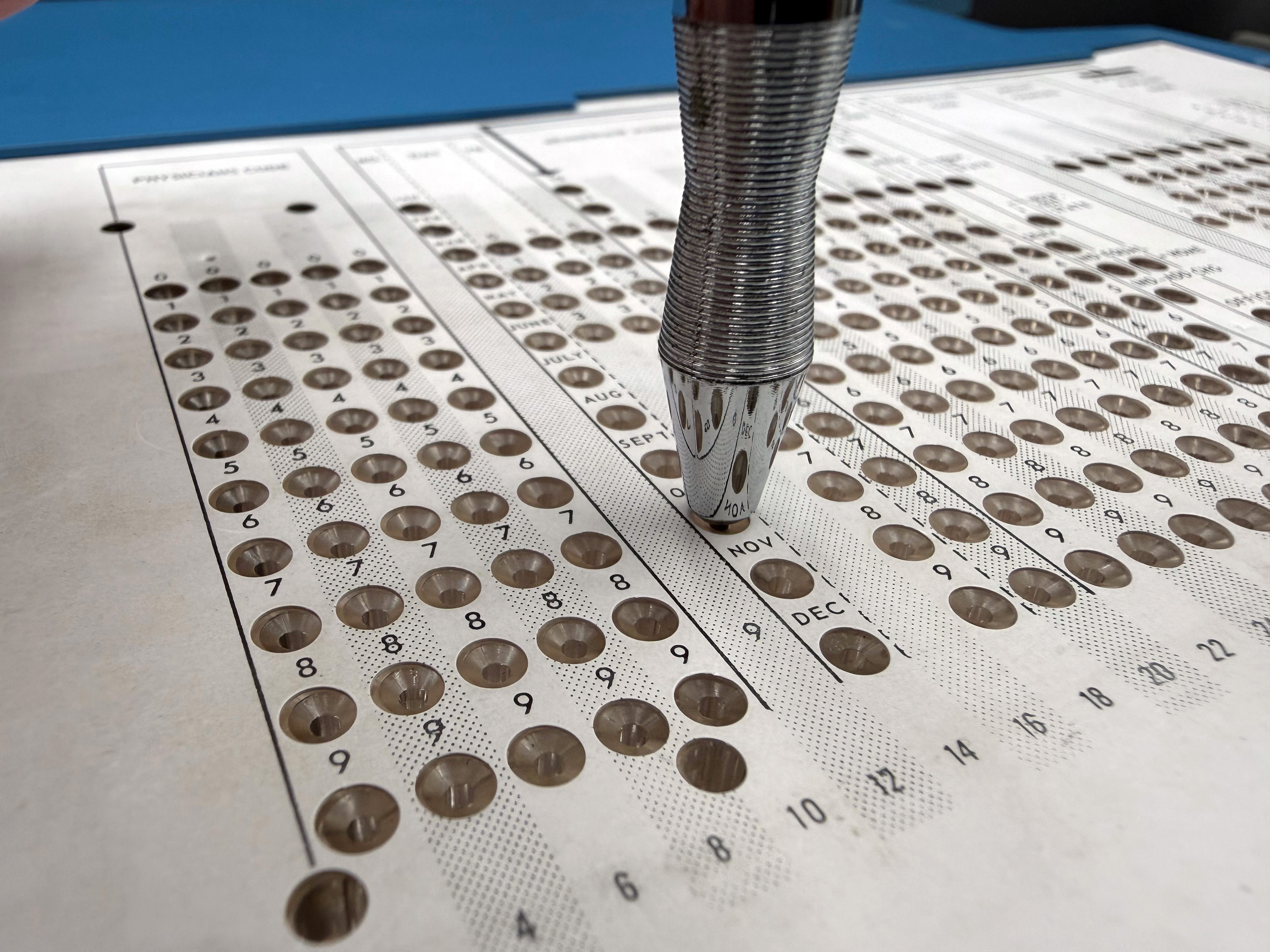
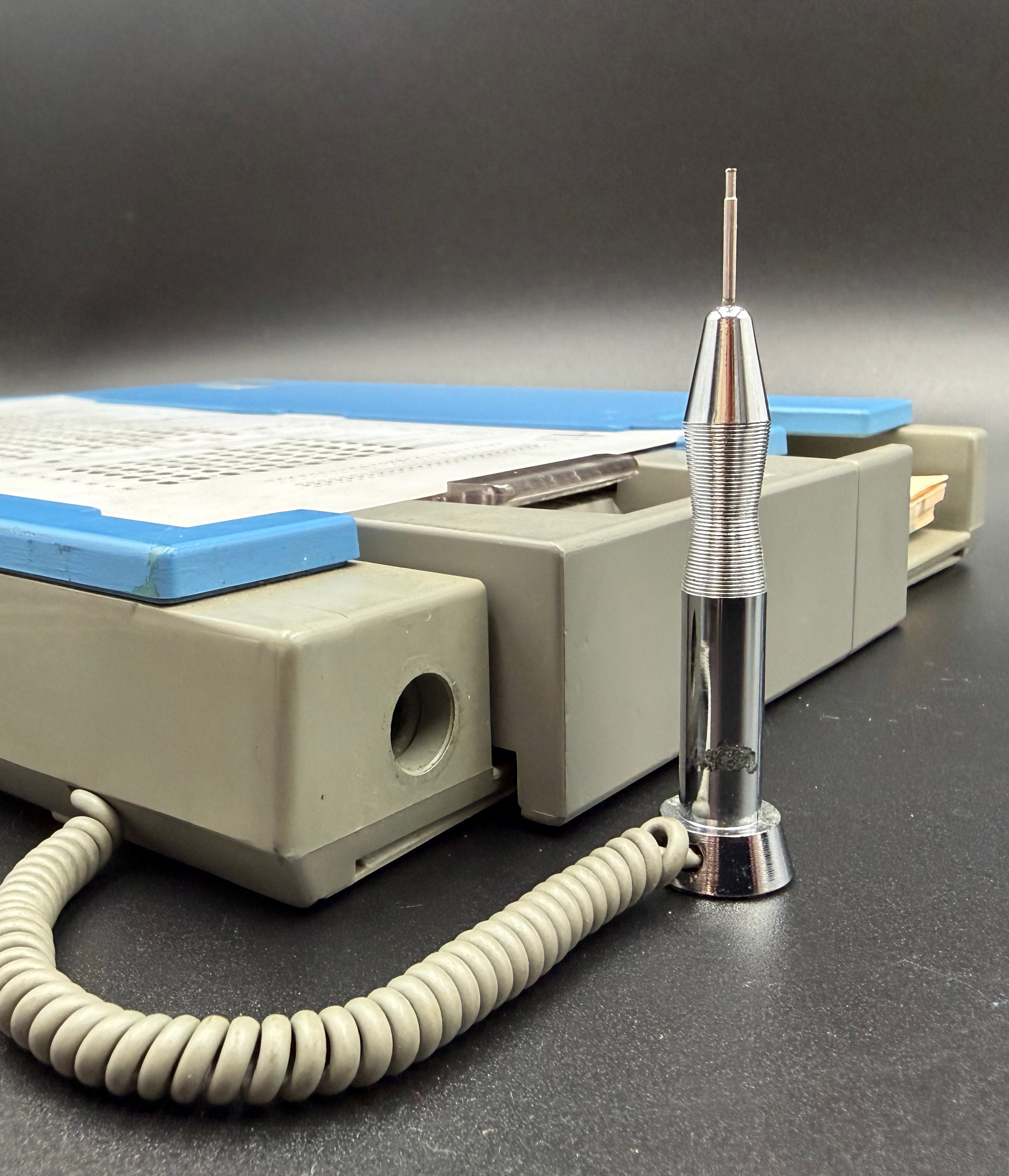
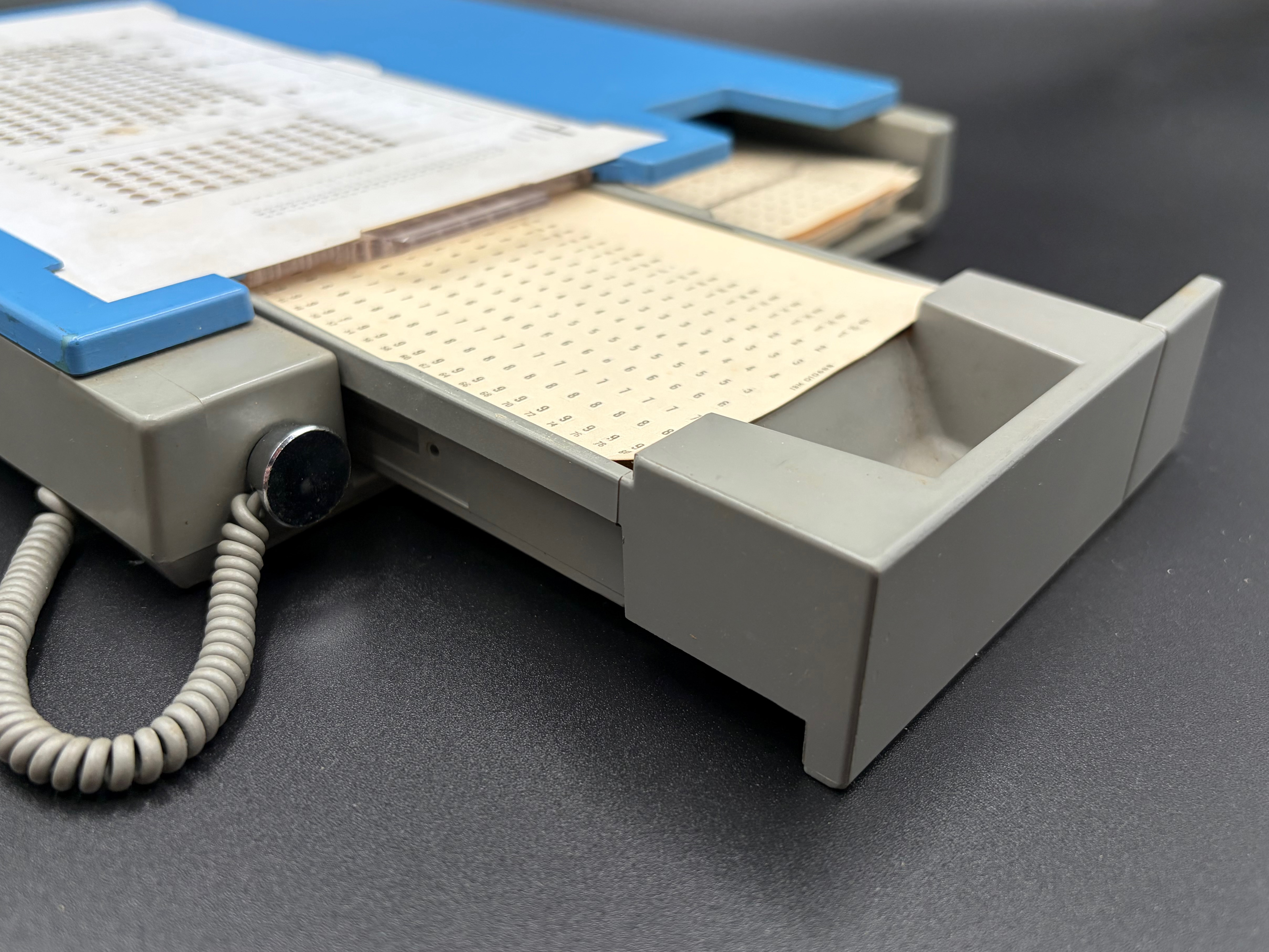
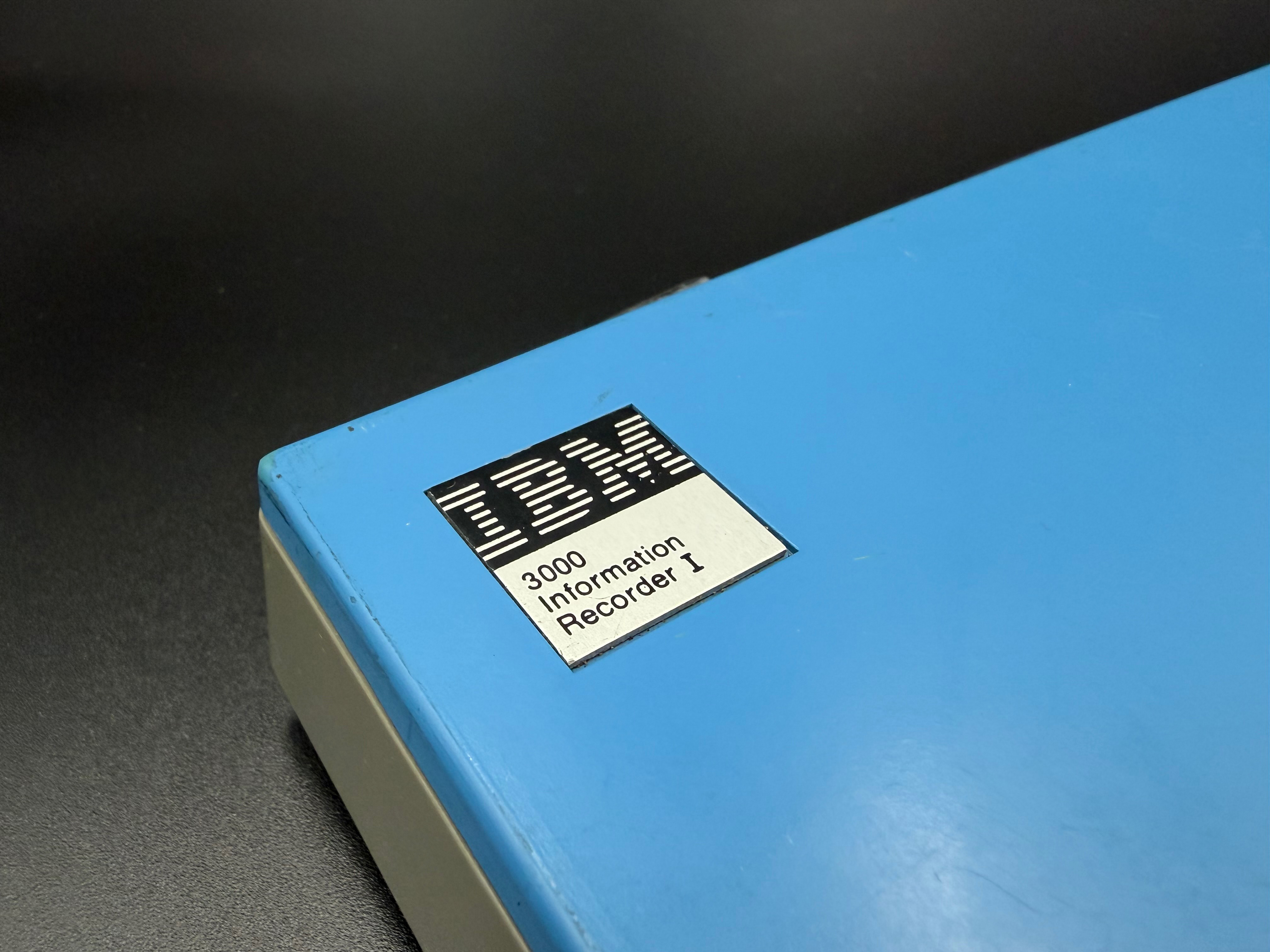
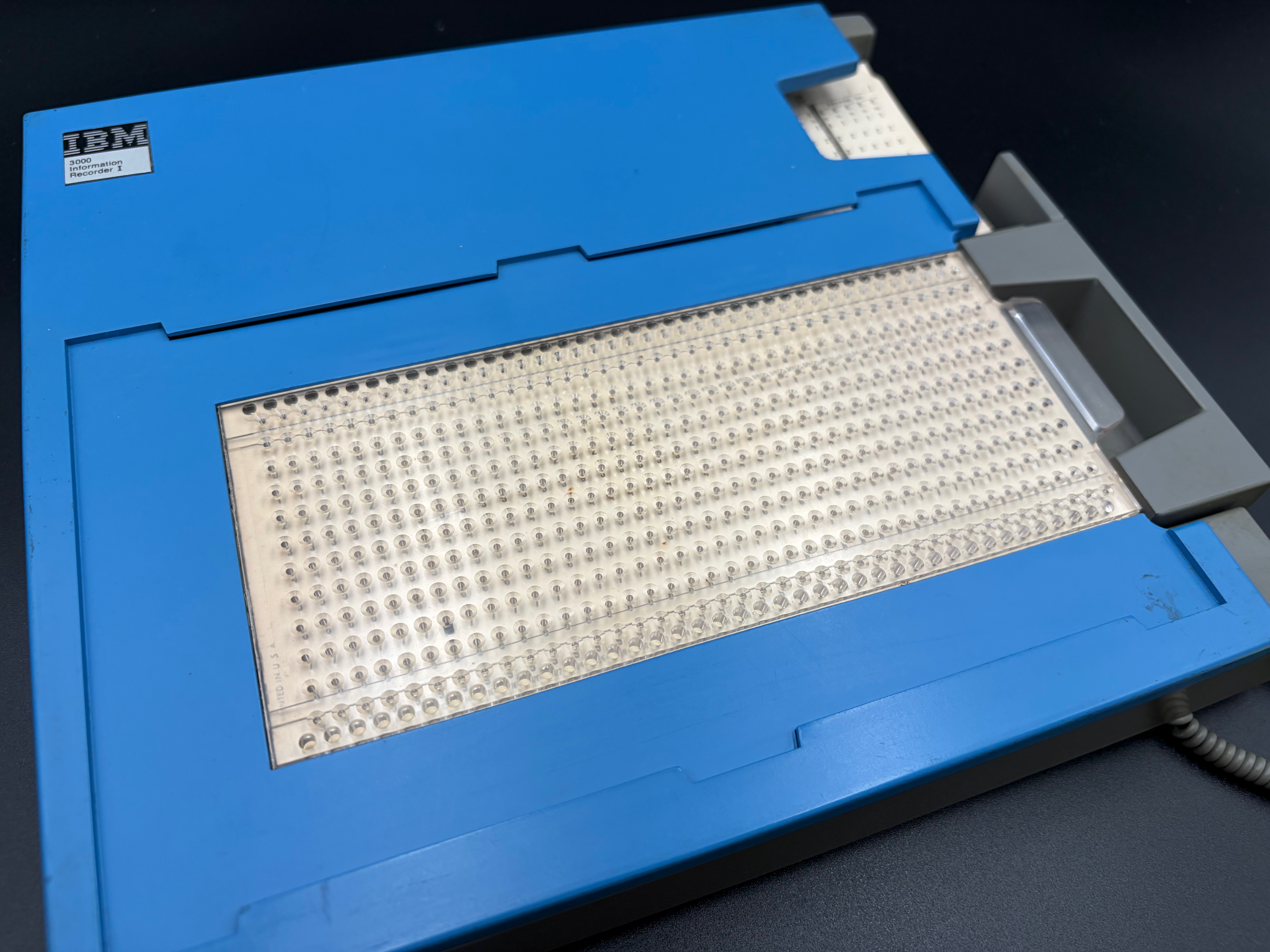


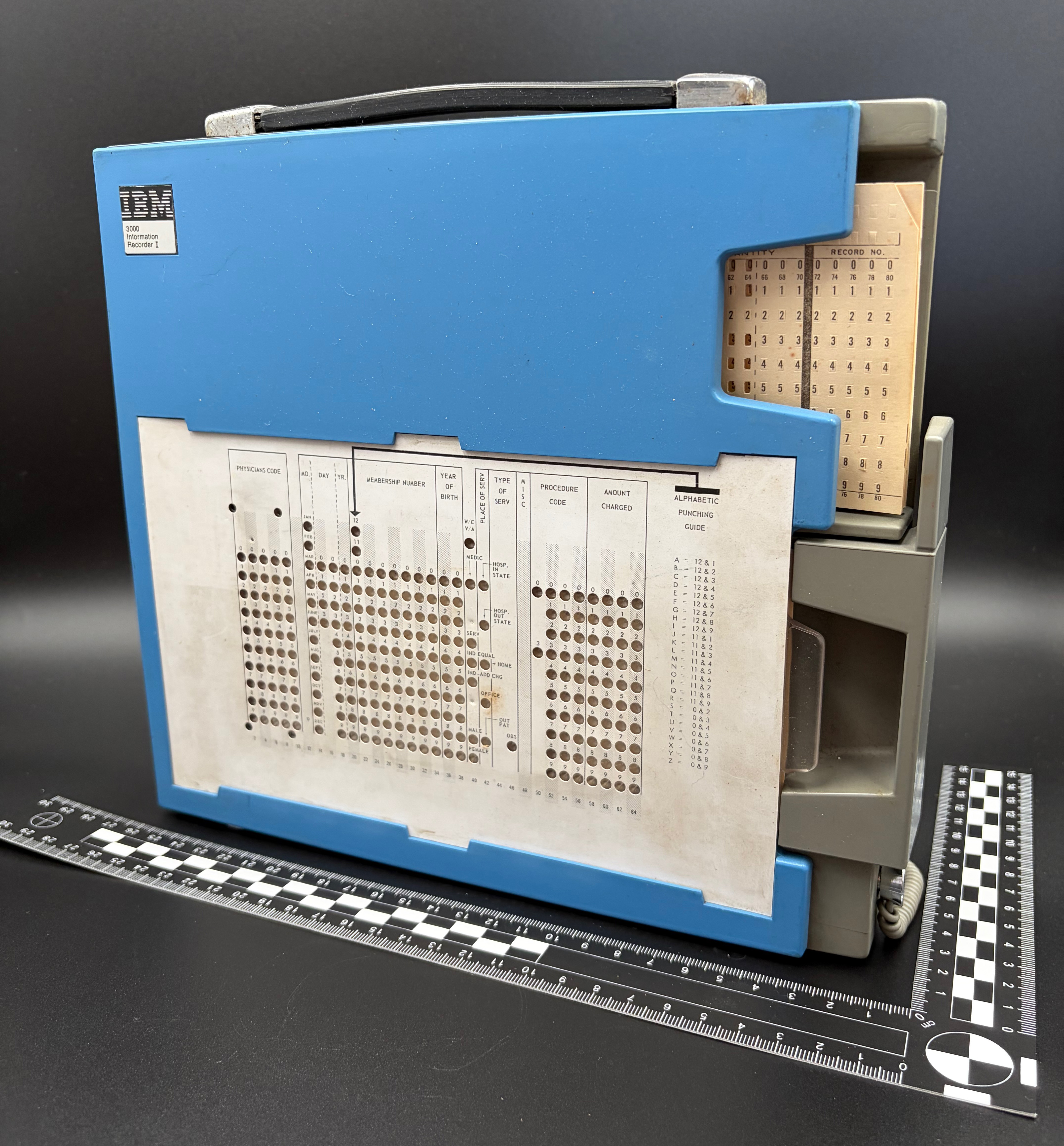
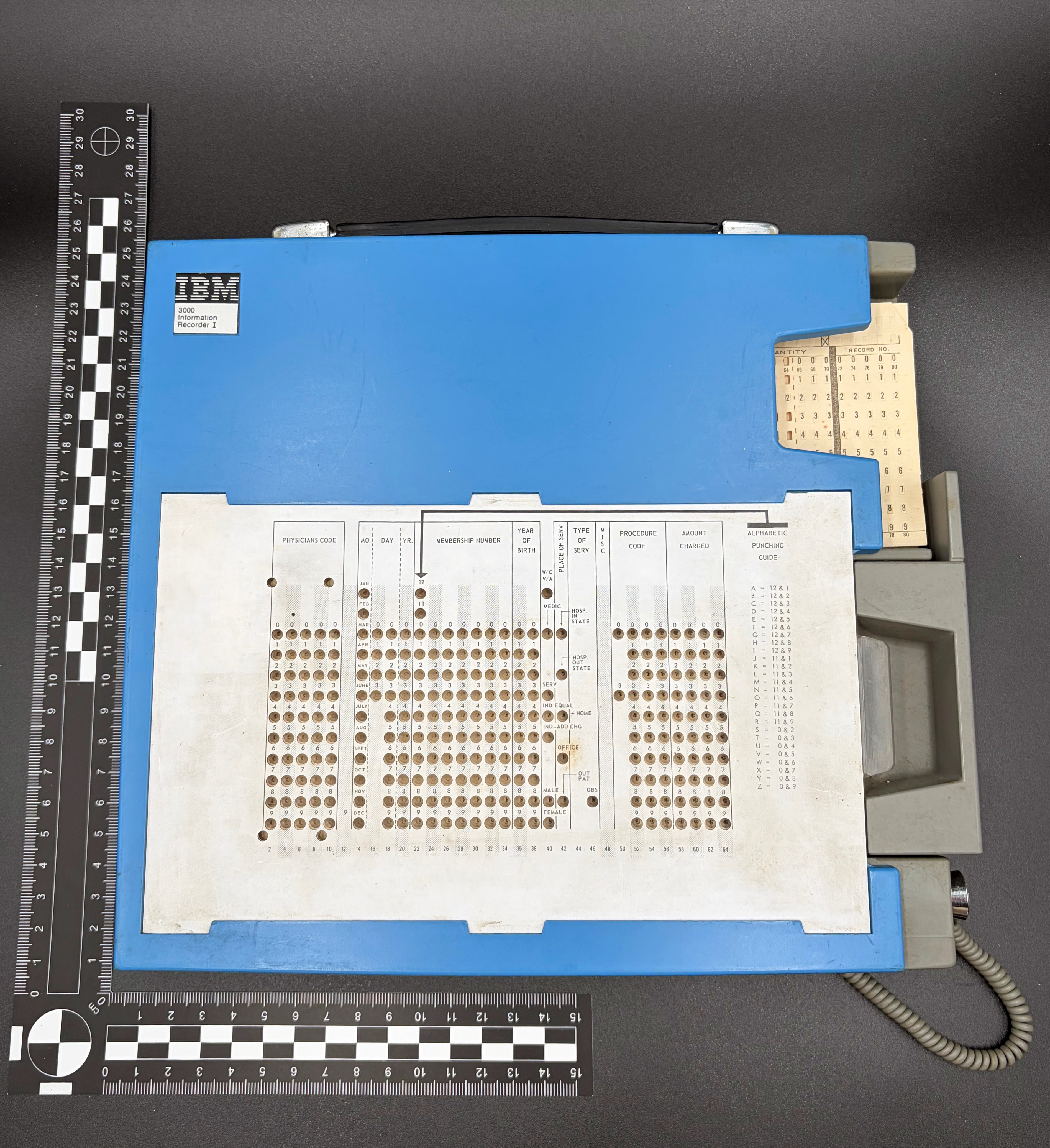

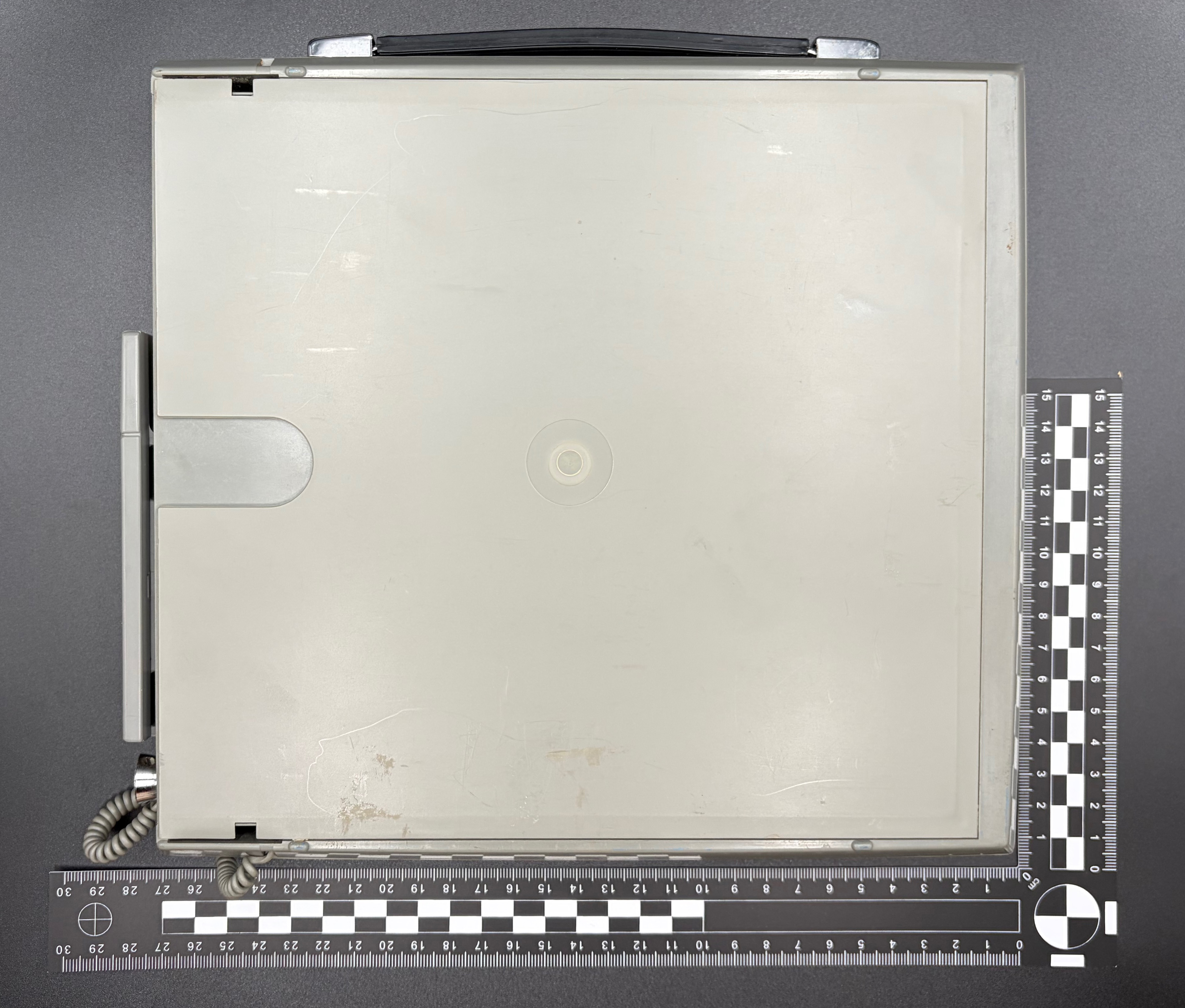
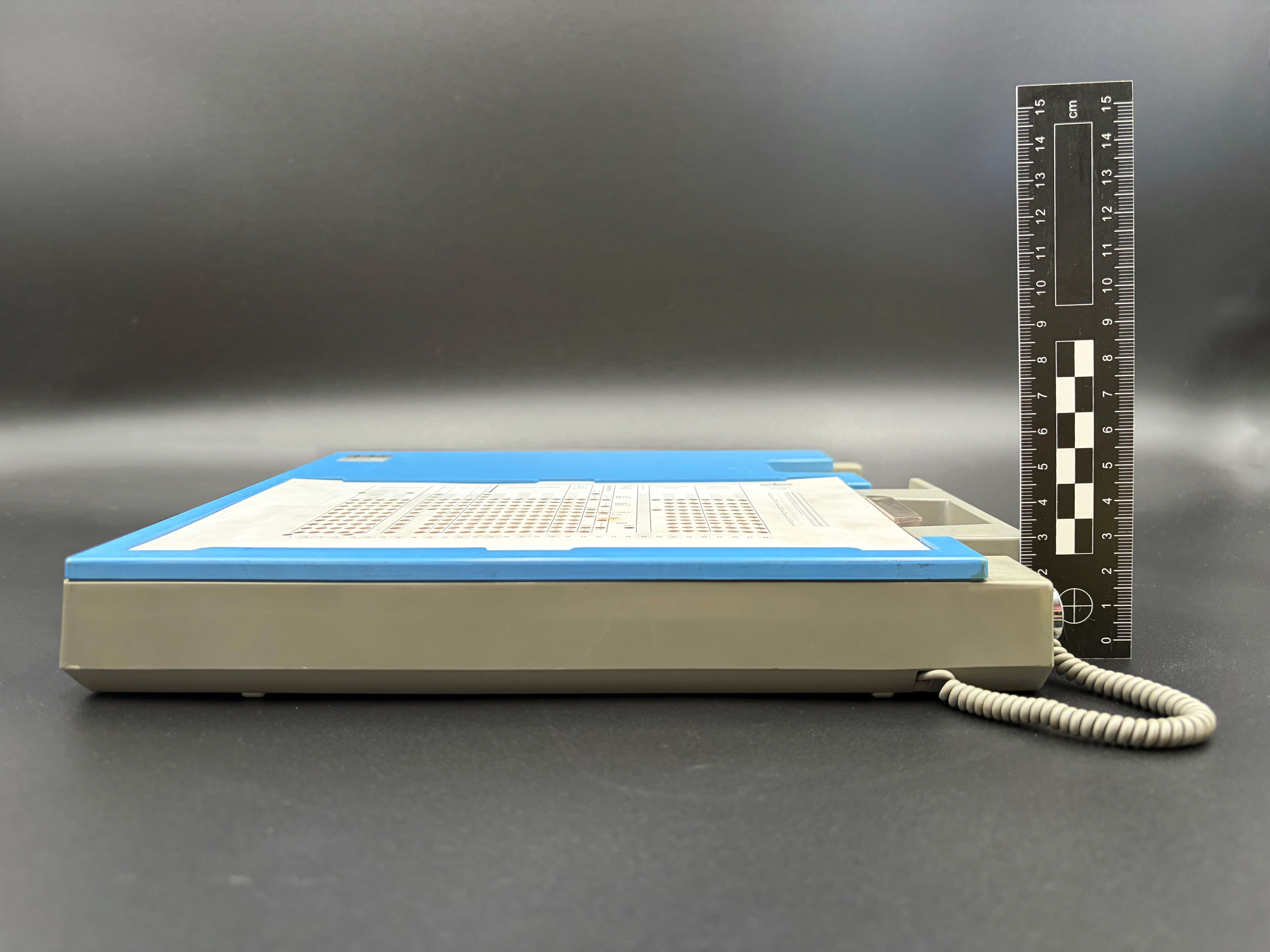
The IBM 3000 Information Recorder I was introduced in 1968 and used the same 40-column, perforated cards as the earlier IBM Port-A-Punch. This device, when used with these cards allowed the user to punch out chads with the attached stylus to record data quickly without requiring data to be punched on a large, expensive, and immobile card punch.
The IBM 3000 Information Recorder I was a more advanced version of the Port-A-Punch, featuring a built-in stylus holder, a more ergonomic design, storage for extra cards, the ability to overlay the punch area in additional templates which assisted the operator. It was designed for field use by professionals who needed to collect data on-site for later processing.
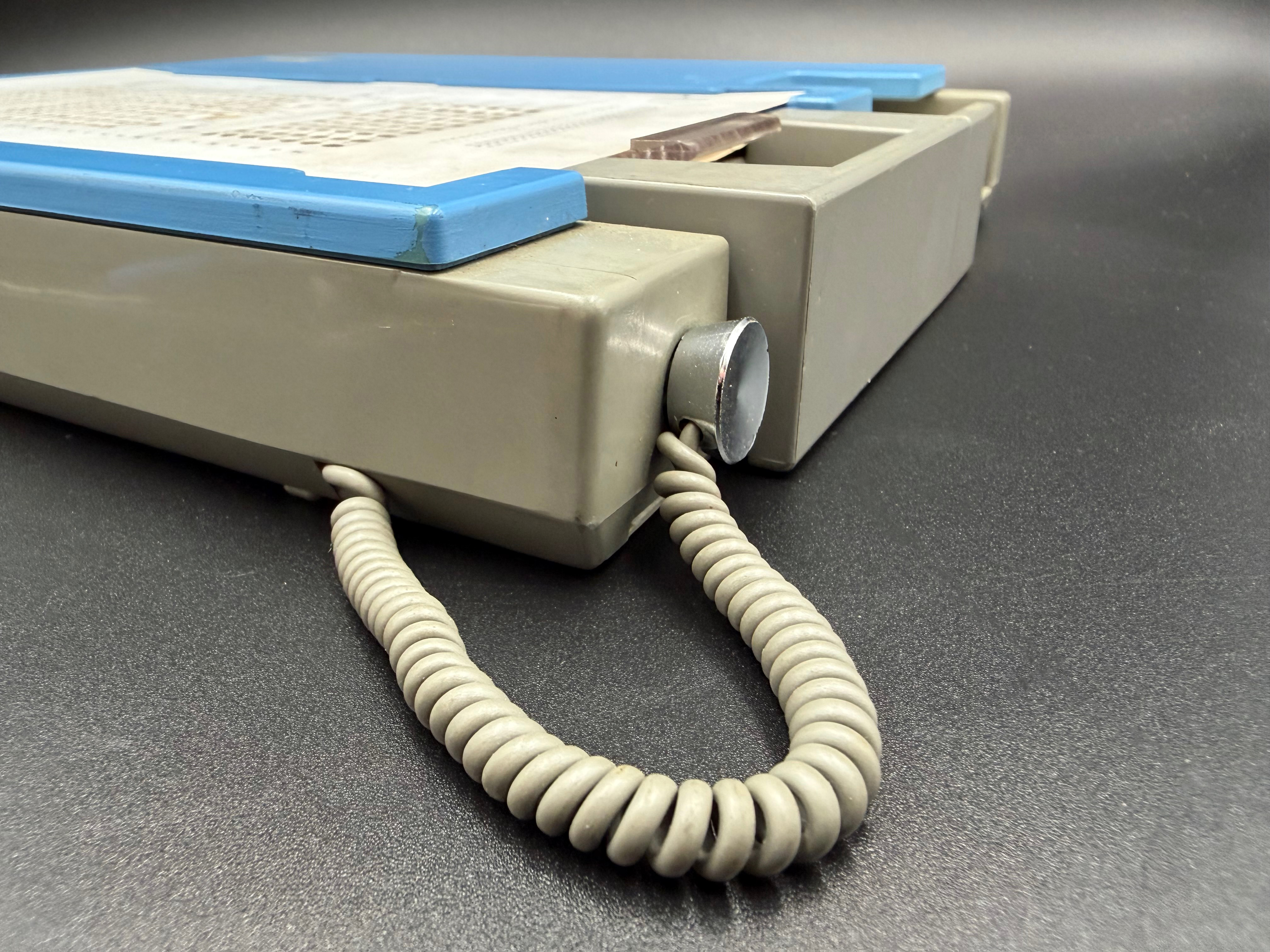
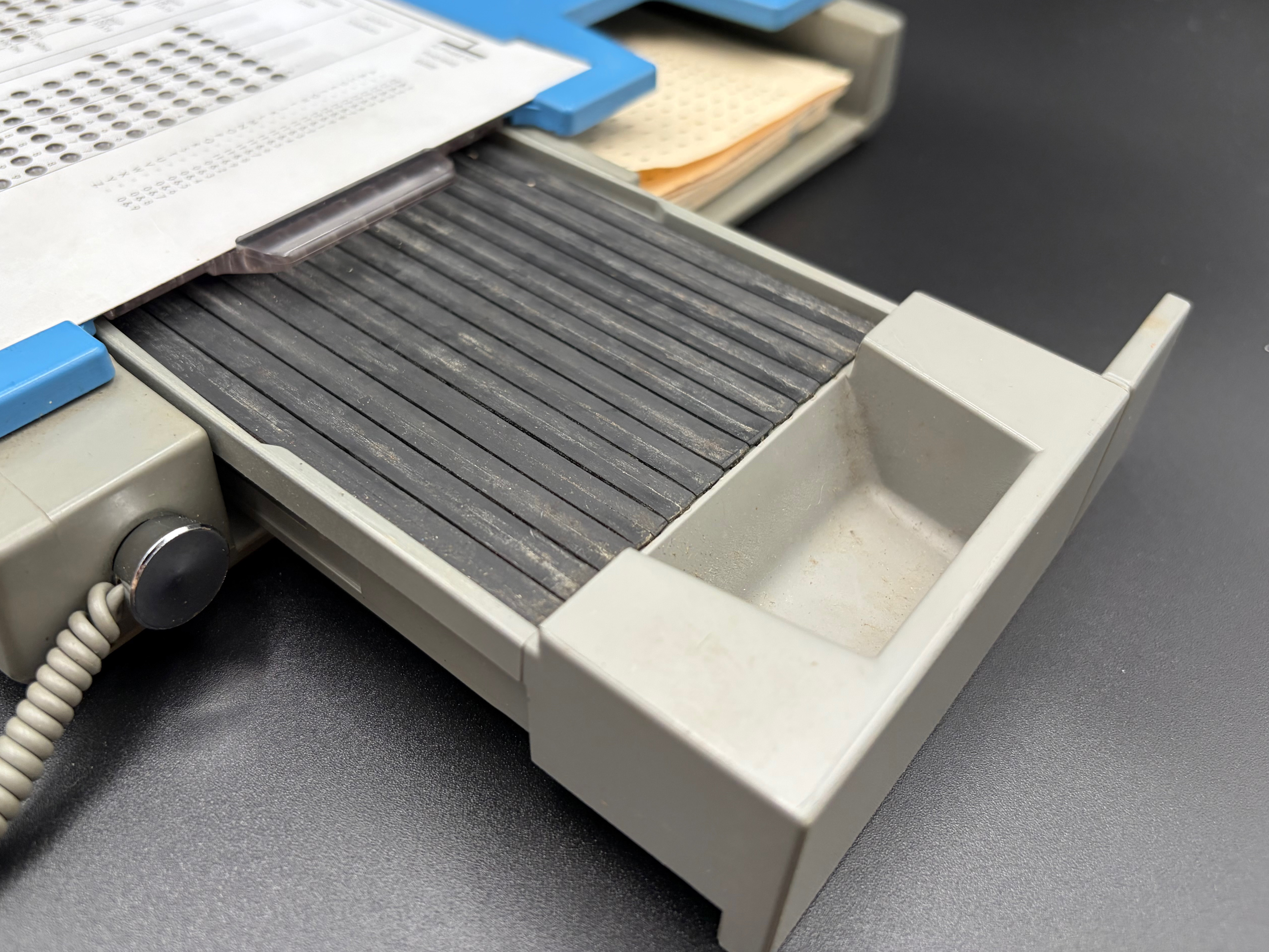
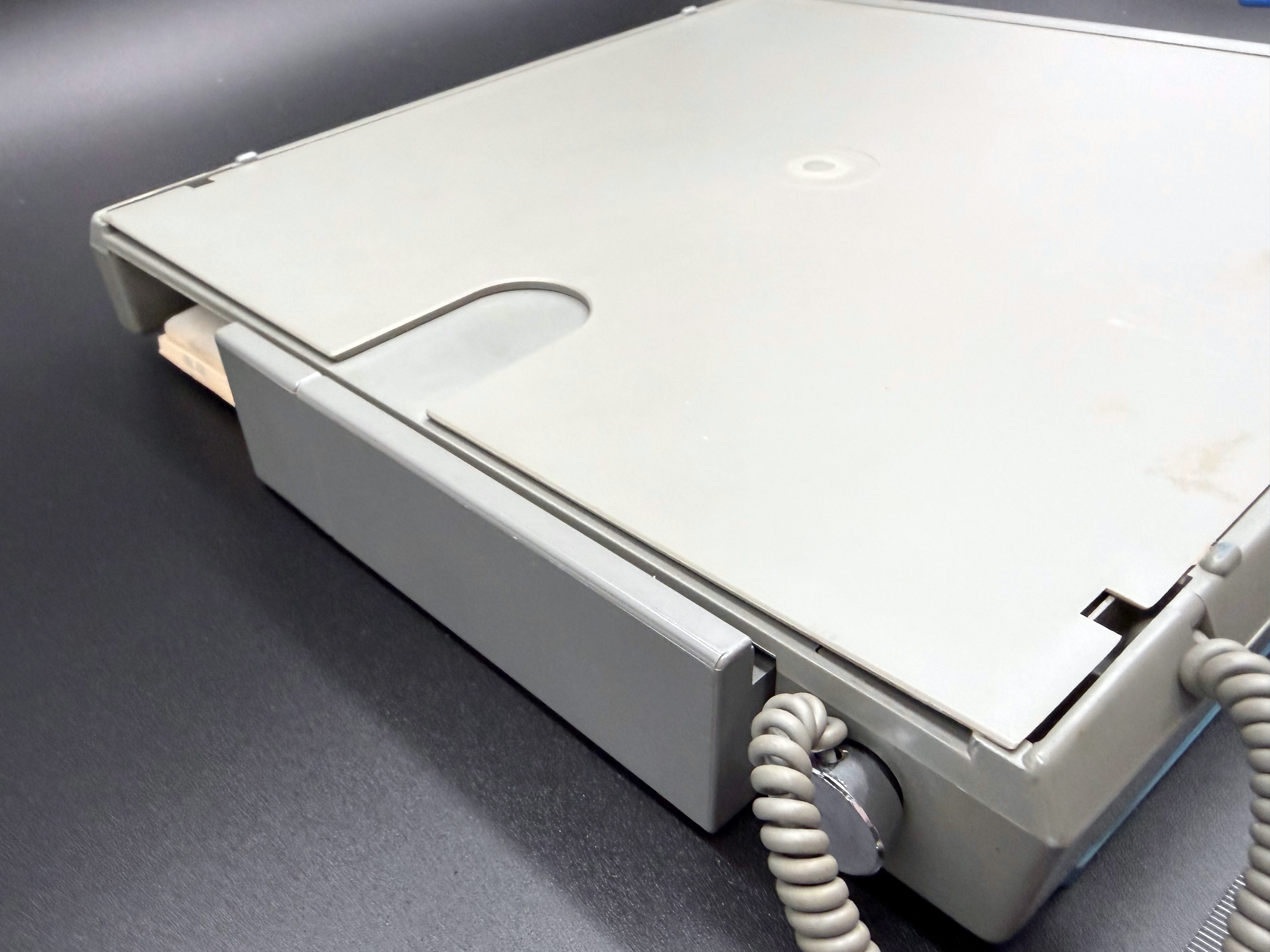
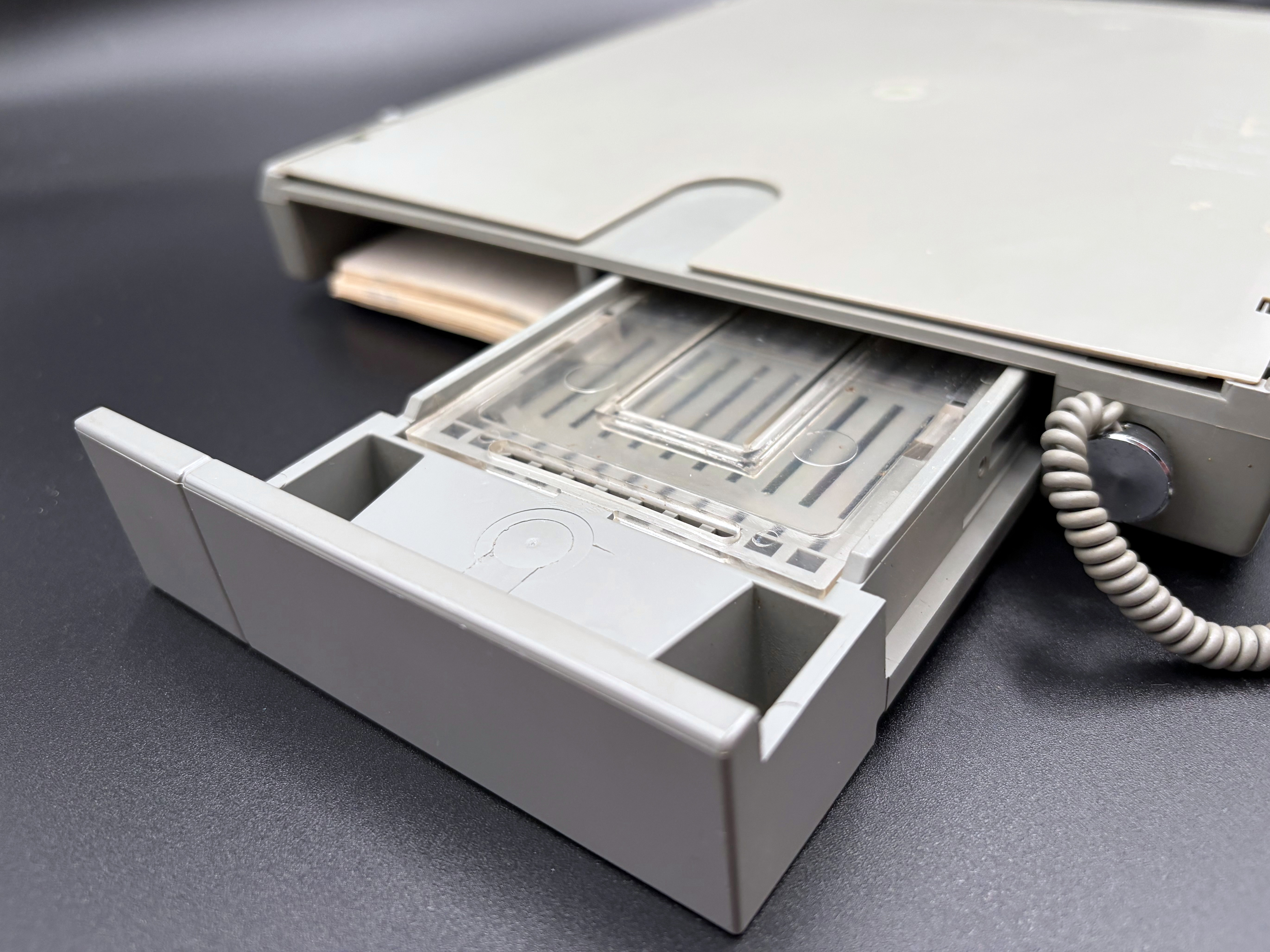
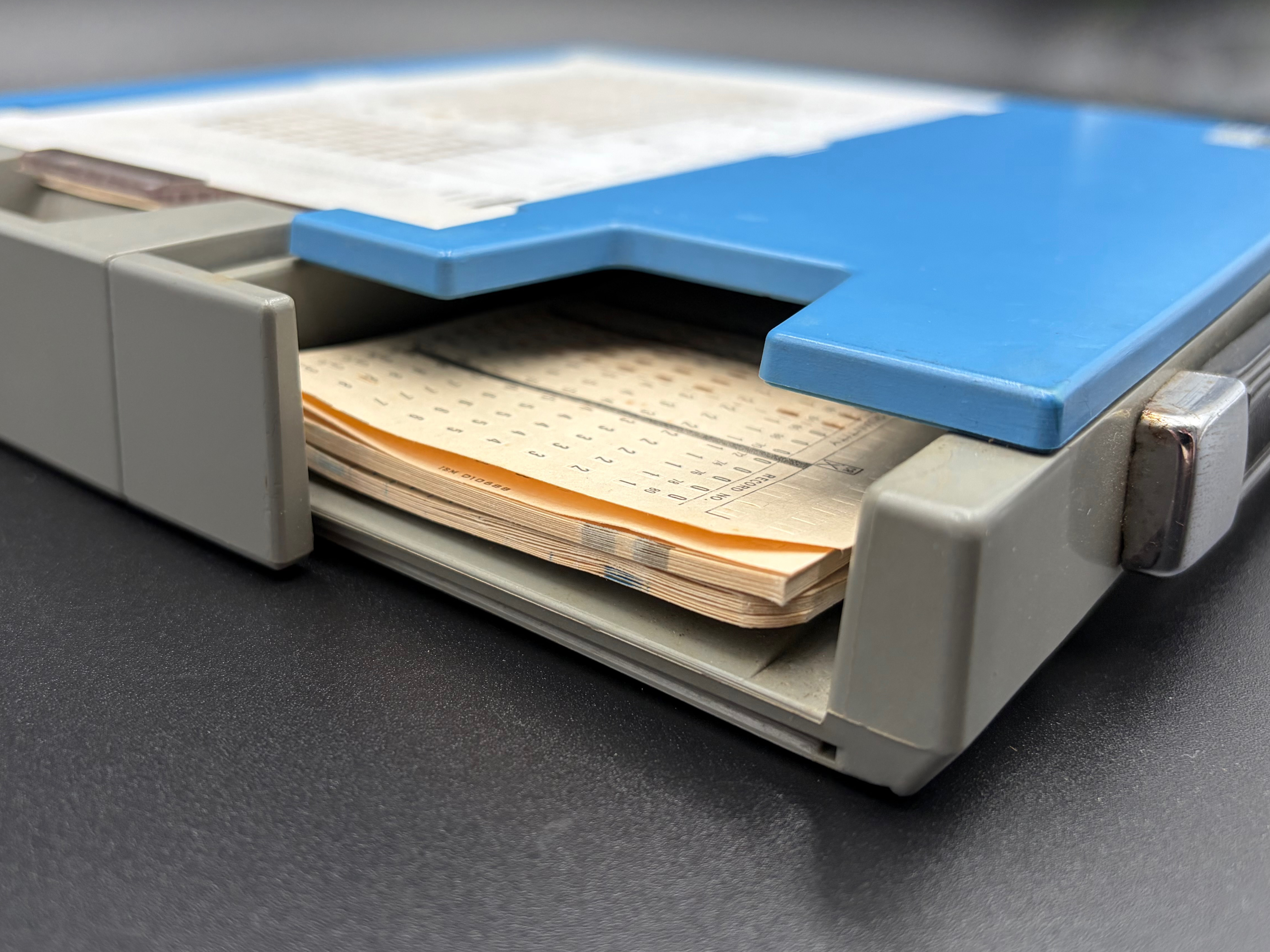
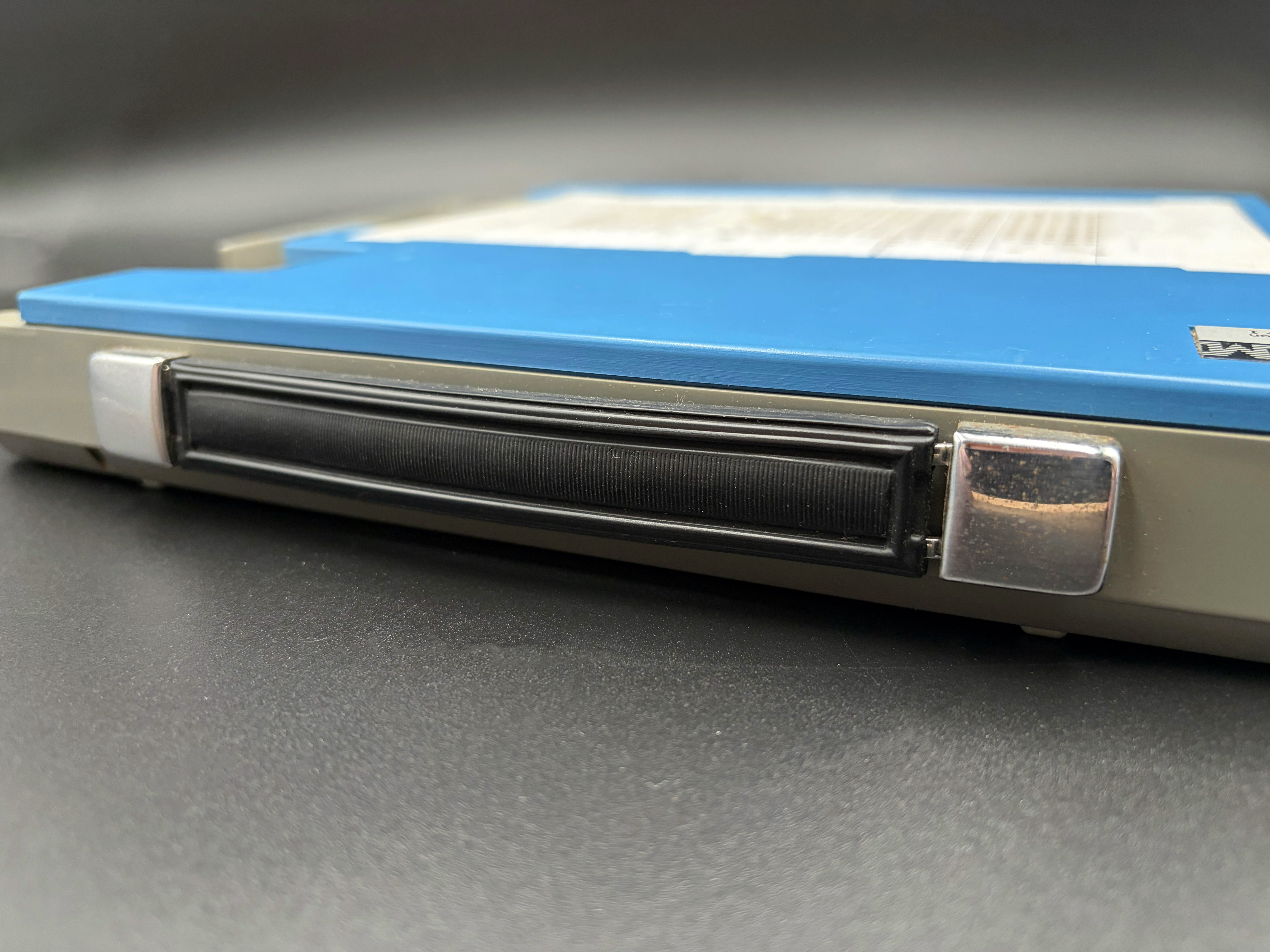
The main unit is made of durable plastic with a blue and grey color scheme, a sliding drawer allows the card to be punched to be easily inserted and removed, and a compartment at the back stores additional cards. When chads are punched out of the card, they are collected in a small compartment under the sliding drawer which can be emptied when full. A handle on the top of the unit allows for easy transport, whilst a small sleeve on the back can hold additional templates or other documents needed for data collection.
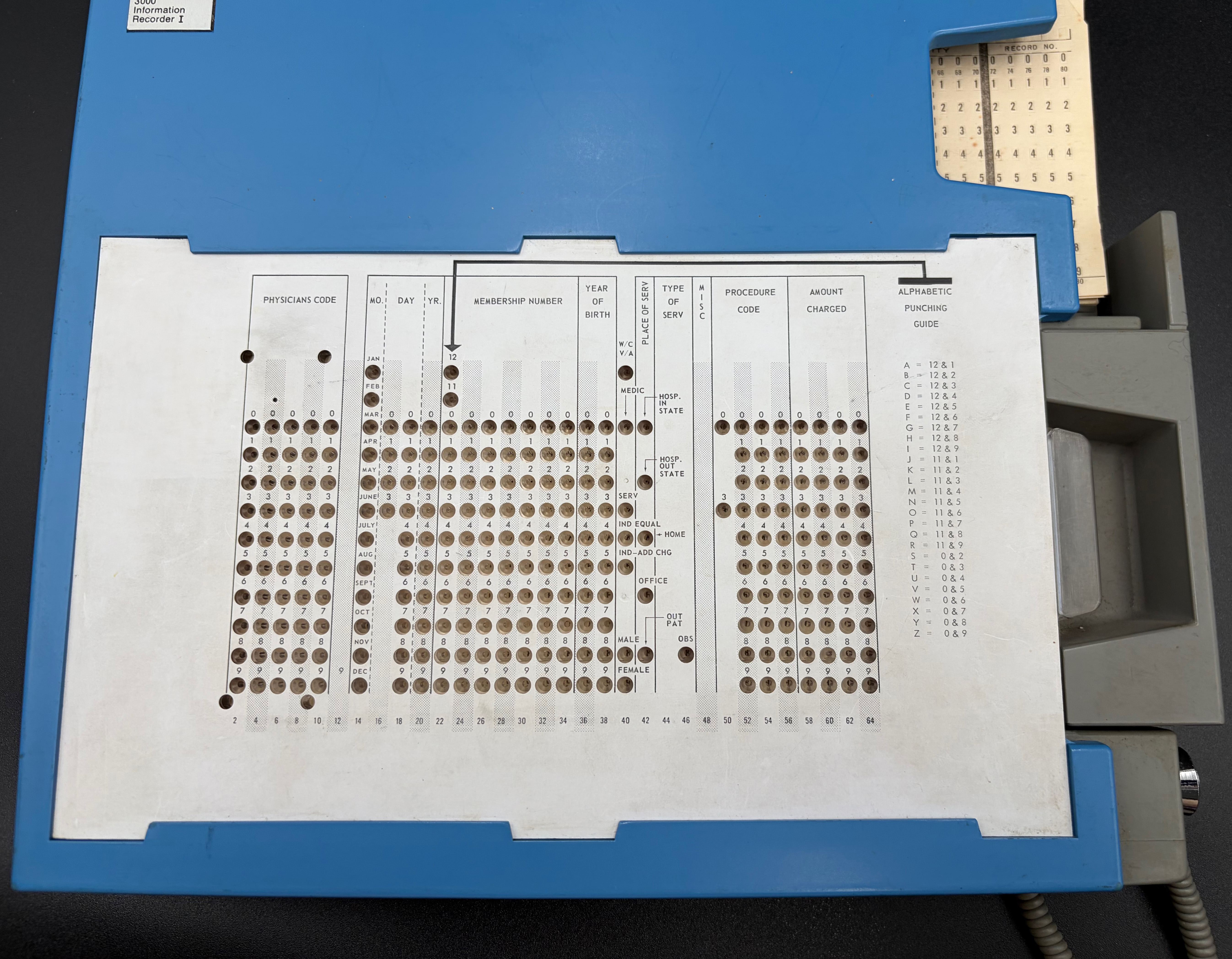
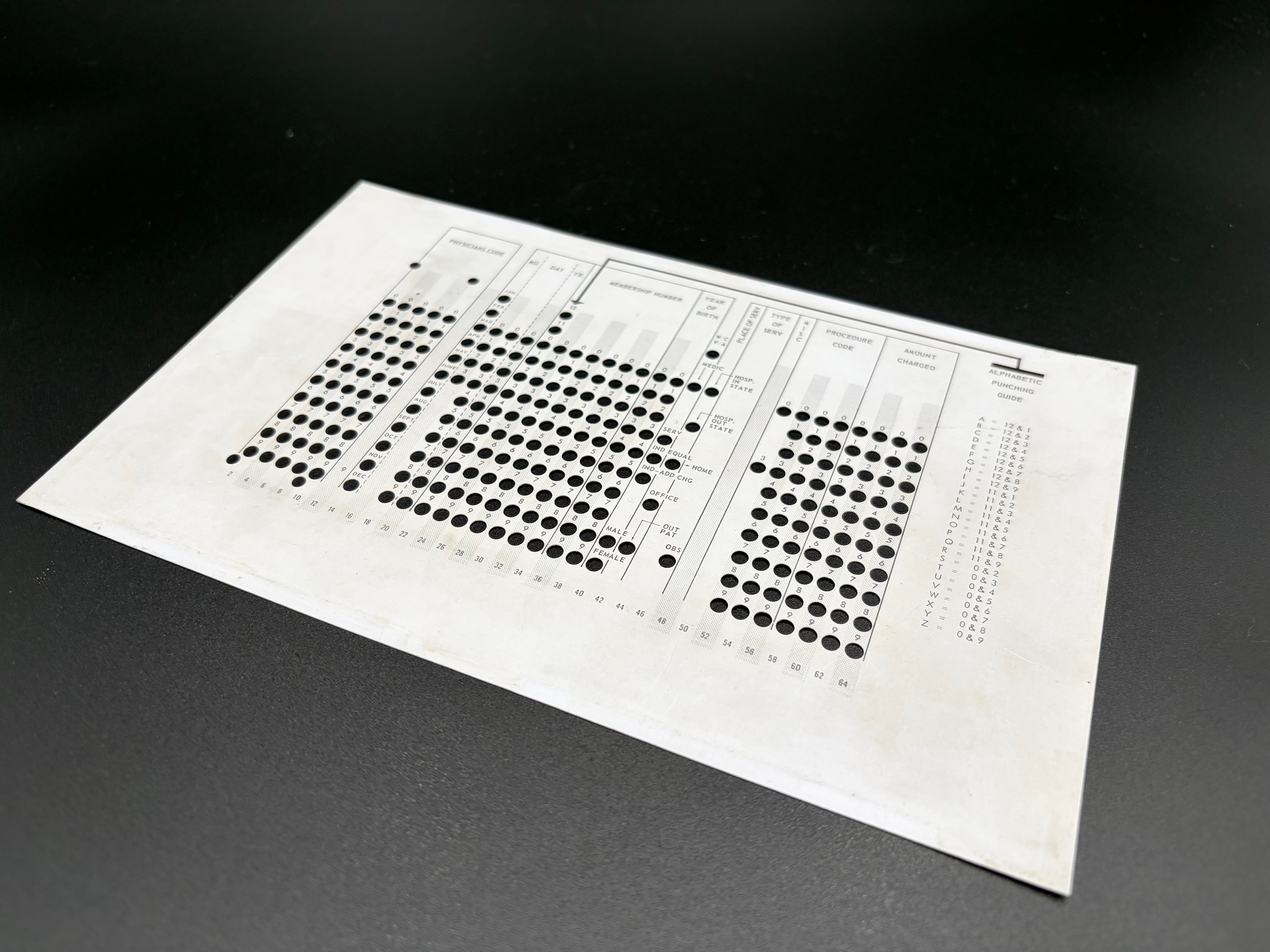
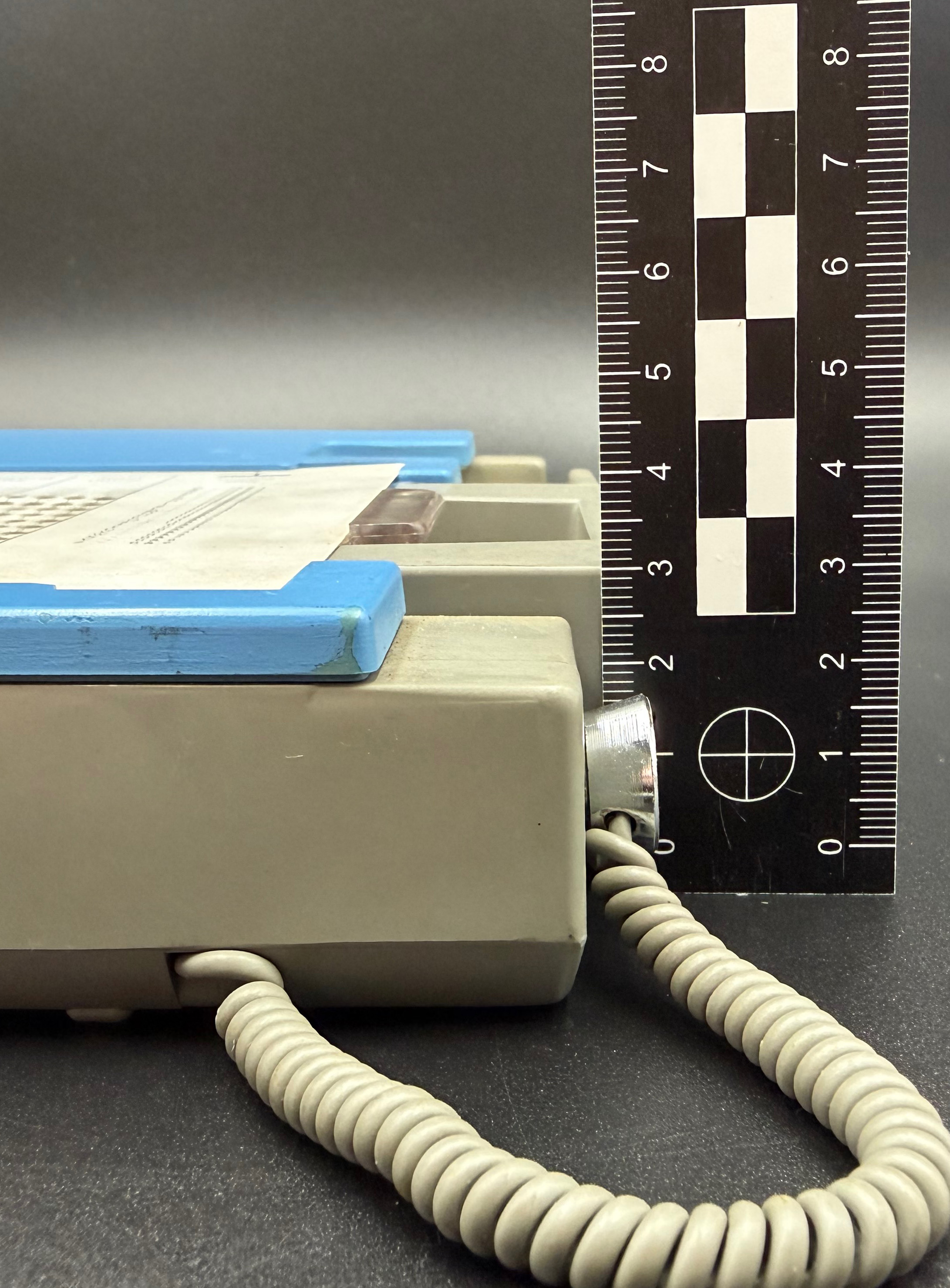
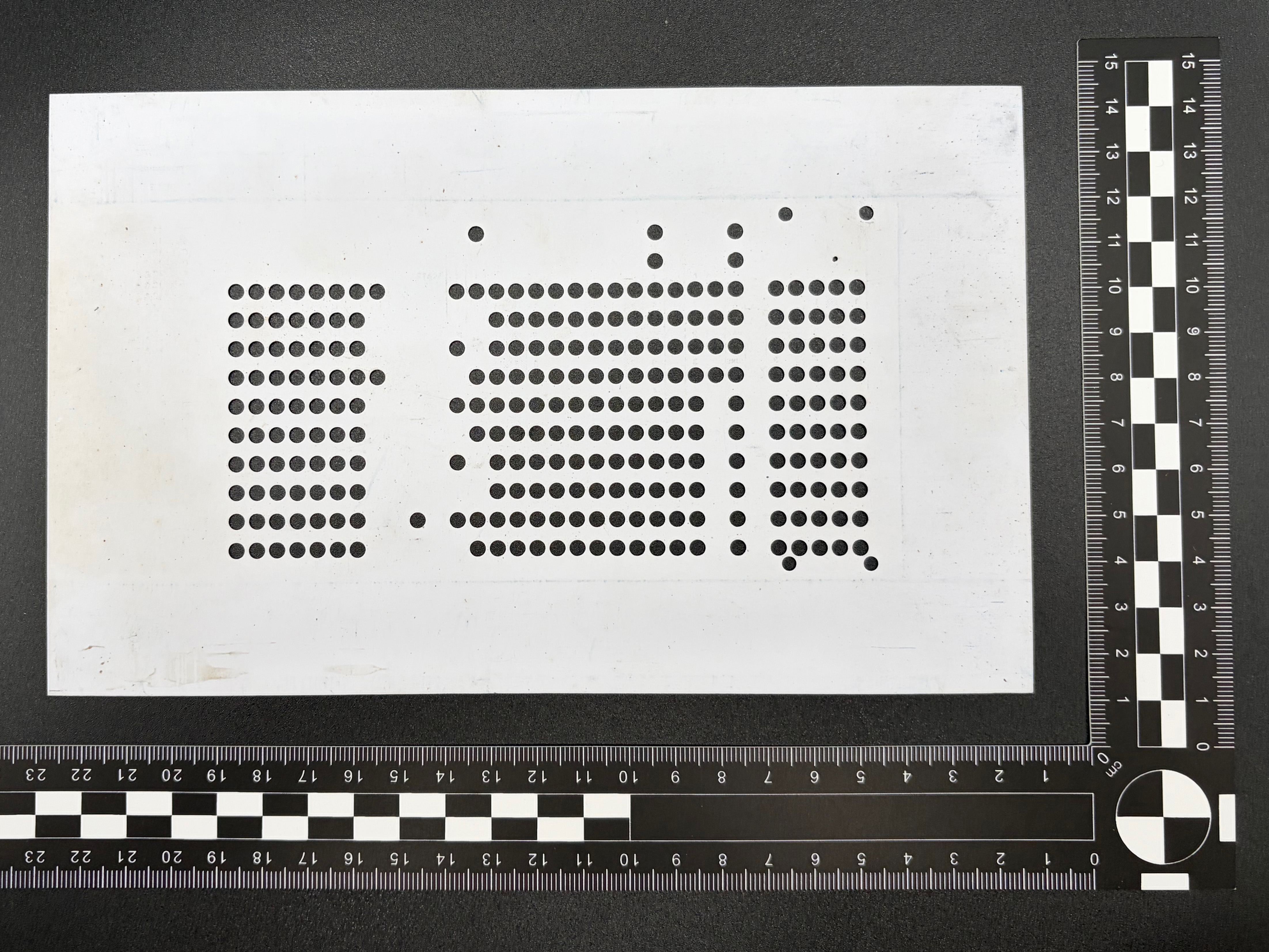
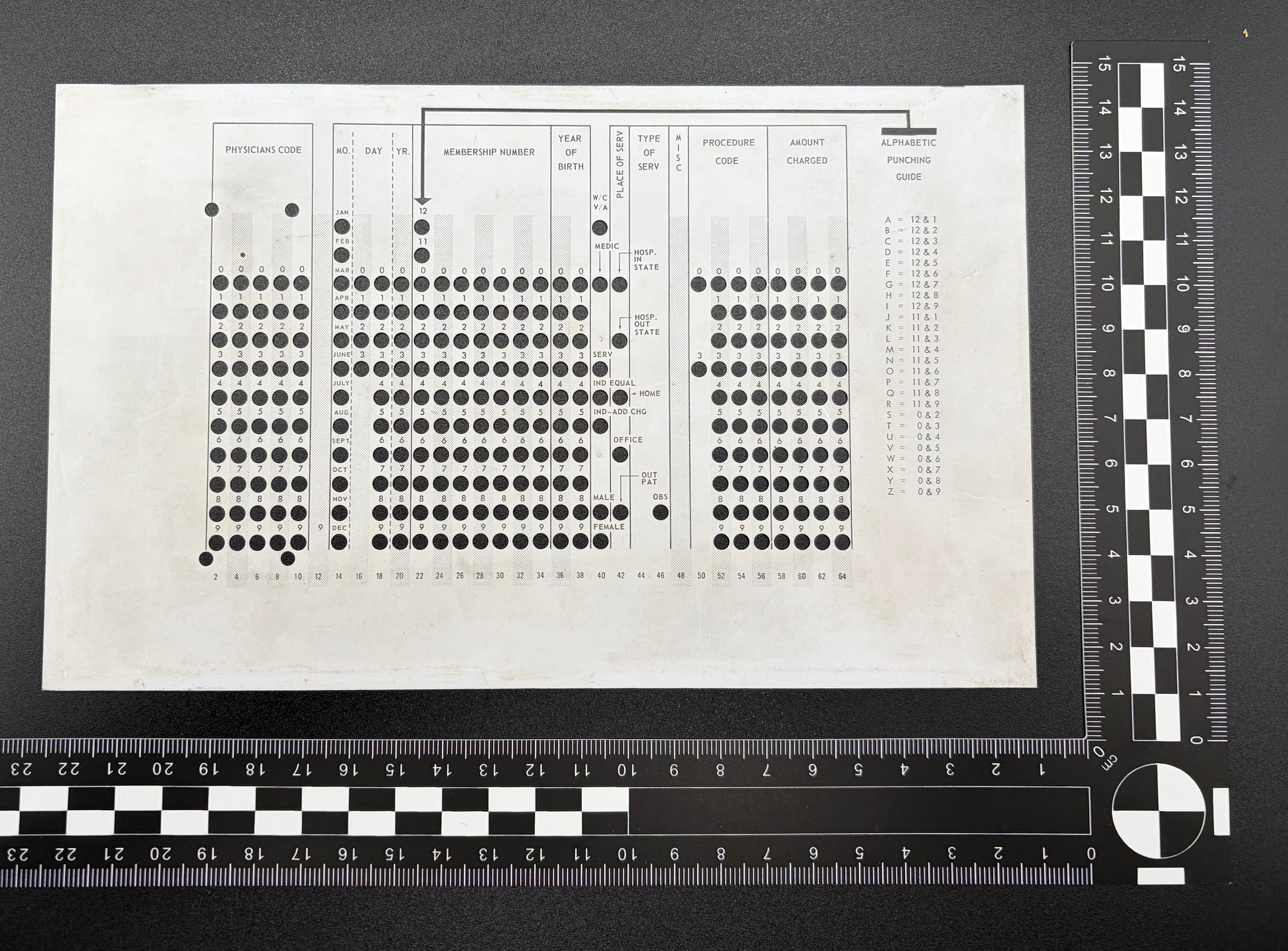
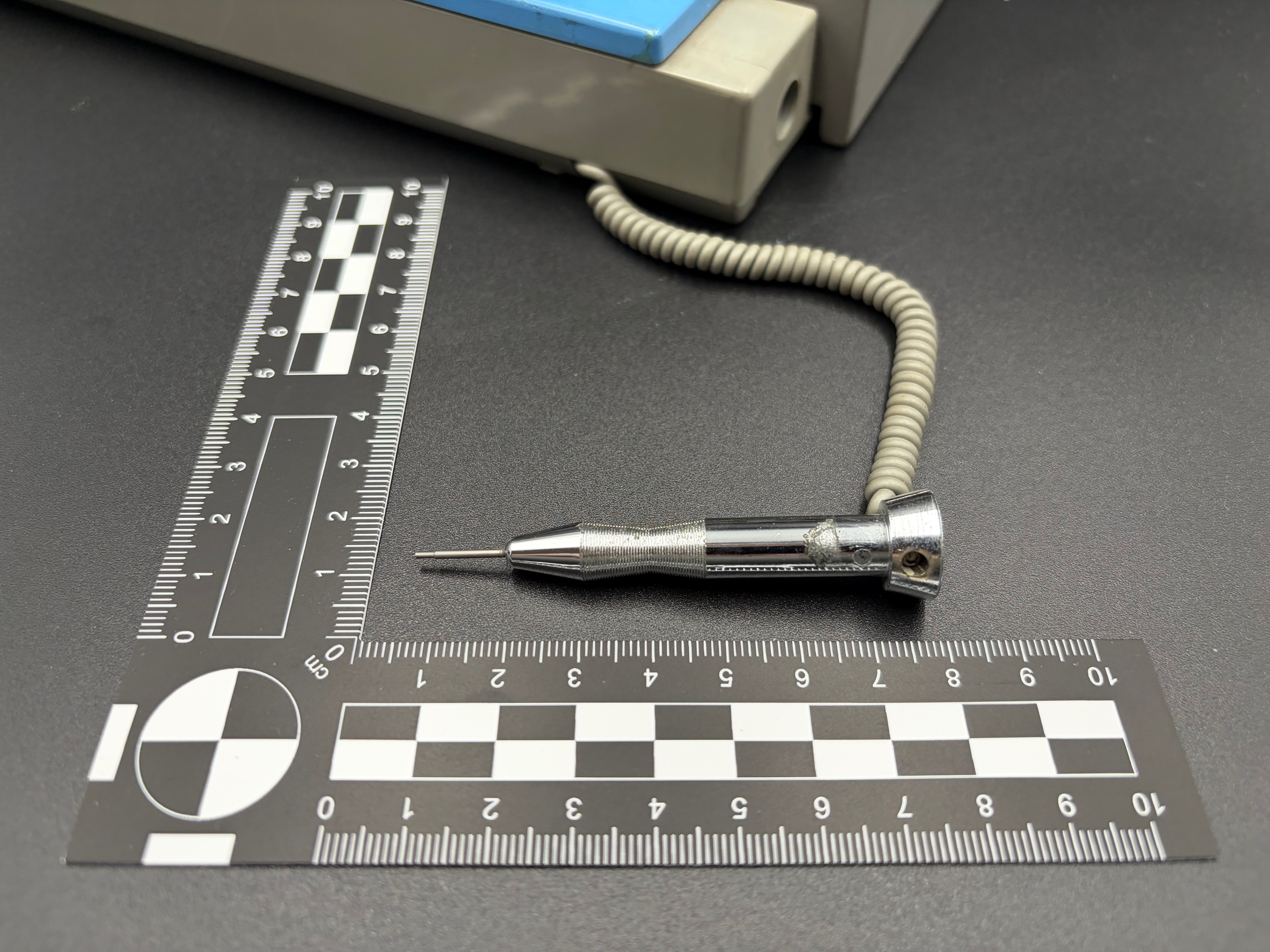
A plastic stylus with a metal tip is attached to the unit with a cord, allowing the user to punch out the desired holes in the card. When a card is inserted into the unit, the user can use the stylus to punch out the chads by pushing the stylus through a grid of holes in transparent plastic which covers the card, and guides the stylus to the correct positions for punching. A template can be placed over this grid to exclude certain positions from being punched and label the positions for easier data entry. This stylus can be stowed in a hole in the side of the unit when not in use.
The IBM 3000 Information Recorder I in the collection came with an template previous used for medical procedure billing and a stack of unused generic 40-column perforated cards. The unit shows some signs of wear consistent with use, and has some minor dirt and grease marks one the surfaces of the plastic shell and template. The original grey plastic has yellowed slightly with age. The stylus is intact and the cord remains securely attached to the unit and well coiled. The sliding drawer operates smoothly, and the compartment for collecting punched chads is present and functional.
1. “Trade Releases - In Brief,” Electronics Australia, November 1968, pp. 151, Available at: https://archive.org/details/electronics_australia-1968_11.
